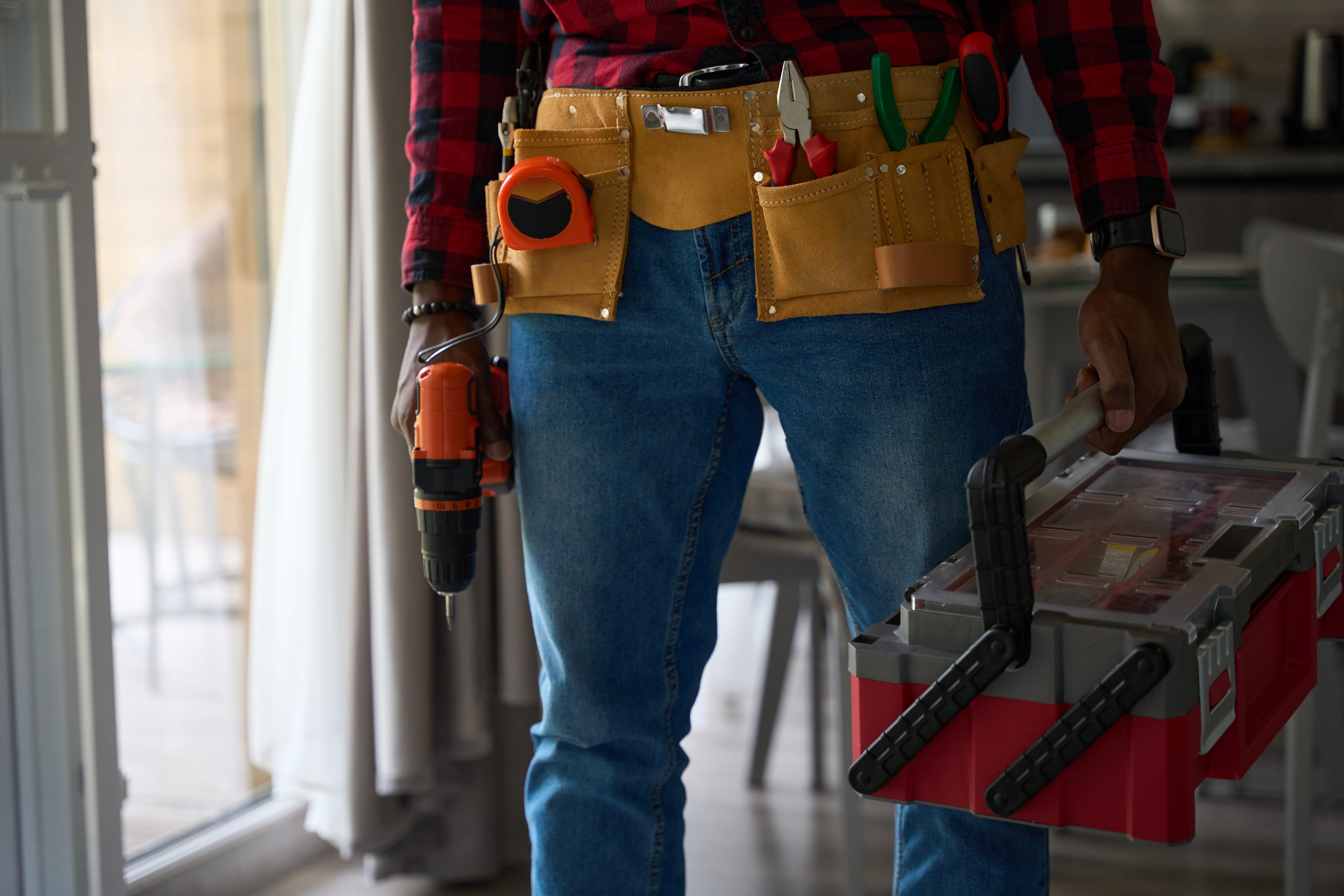

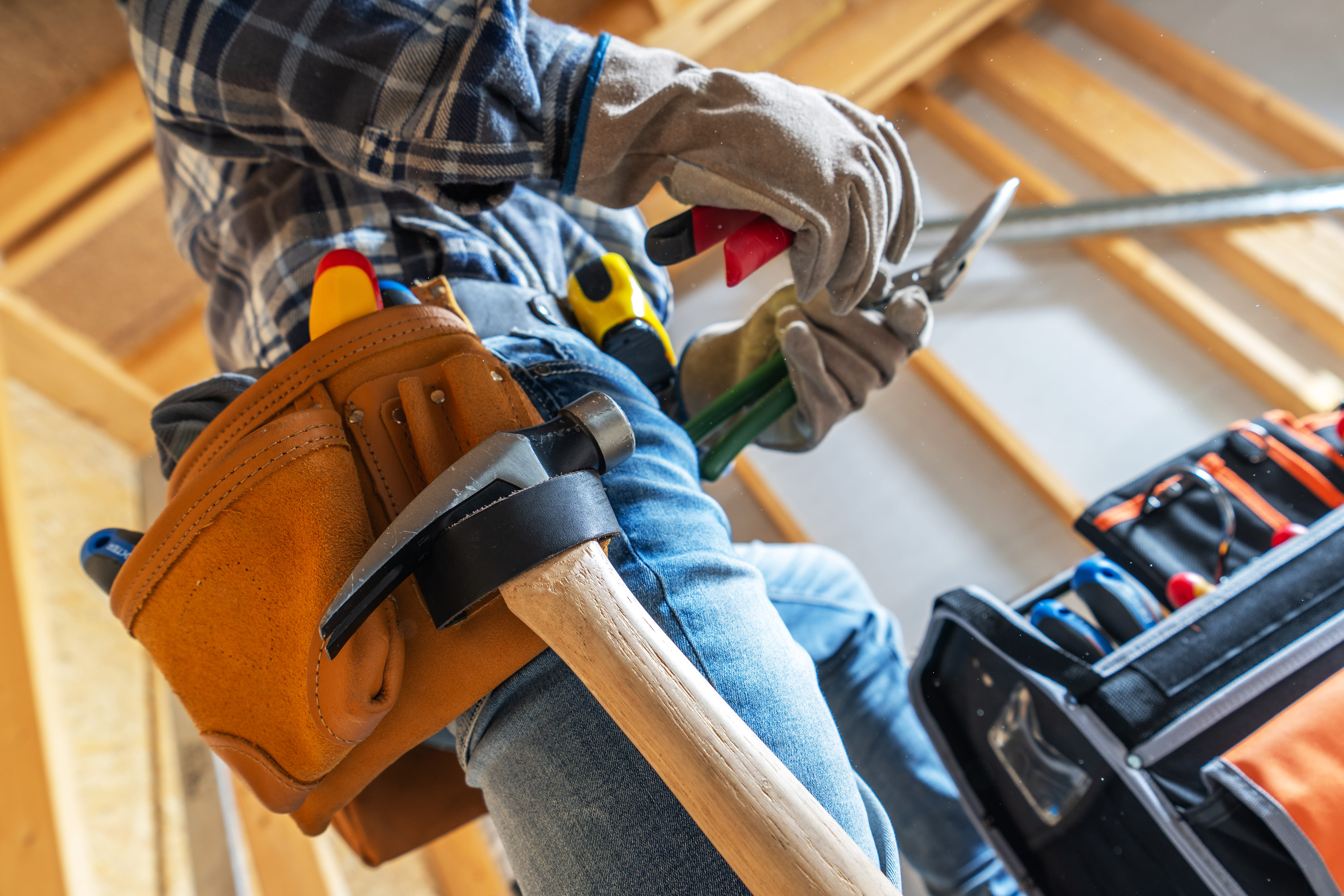
But here in Florida, where the climate throws everything from scorching heat and relentless humidity to tropical storms and termite swarms at your home, knowing when to grab the toolbox and when to call a professional can save you a lot of time, money, and frustration.
So how do you decide? In this guide, we’ll break down the projects that are safe and smart to tackle yourself, the ones that are better left to a professional handyman, and how to make the right call for your home and your wallet.
When DIY Makes Sense
Not every repair requires a professional. There are plenty of tasks around the house that most homeowners can handle on their own with basic tools, a little patience, and a quick internet search. DIY is a great option when the project is low-risk, doesn’t require specialized tools or permits, and won’t cause major damage if something goes slightly wrong.
Good DIY Projects for Florida Homeowners:
• Replacing air filters – In Florida, your AC runs nearly year-round. Swapping out air filters every 30–60 days is simple, inexpensive, and keeps your system running efficiently.
• Painting an accent wall – Interior painting is a beginner-friendly project. Just make sure to use mold-resistant paint, which is especially important in Florida’s humid climate.
• Unclogging a drain – A plunger or a drain snake can solve most minor clogs without the need for a service call.
• Replacing cabinet hardware – Updating drawer pulls and knobs is an easy way to refresh your kitchen or bathroom with nothing more than a screwdriver.
• Installing a new showerhead – Most showerheads are designed for easy DIY installation. Just hand-tighten, use some thread tape, and you’re done.
• Basic landscaping and yard clean-up – Trimming bushes, pulling weeds, and laying down mulch are all manageable weekend projects.
These tasks are generally low-cost, low-risk, and a great way to take pride in maintaining your home. However, even with simple projects, it’s important to know your limits.
When to Call a Professional Handyman
Some jobs look straightforward on the surface but quickly become complicated—especially in Florida, where building codes, weather conditions, and pest concerns add extra layers of complexity. Here are some situations where hiring a handyman isn’t just the easier option; it’s the smarter one.
1. Anything Involving Water or Plumbing
Florida’s humidity already puts your home at risk for mold and water damage. A poorly executed plumbing repair—even a minor one—can lead to hidden leaks behind walls, mold growth, and expensive remediation. If you’re dealing with anything beyond a simple clog, such as replacing a faucet, fixing a running toilet mechanism, or repairing pipe connections, it’s worth calling a pro.
2. Electrical Work
Electrical repairs are one area where DIY can be genuinely dangerous. Even seemingly small tasks like installing a new light fixture or adding an outlet can result in electrical shock, fire hazards, or code violations if done incorrectly. Florida has strict electrical codes, and any work that isn’t up to standard could create problems when you try to sell your home or file an insurance claim. Leave electrical work to the professionals.
3. Screen Enclosure and Lanai Repairs
Screen enclosures are a staple of Florida living, but repairing or re-screening them properly requires the right tools, materials, and technique. A botched screen repair can leave gaps that let in mosquitoes, compromise the structure’s integrity during storms, or simply look unprofessional. A handyman can ensure the screen is taut, the spline is secure, and the frame is sound.
4. Exterior Repairs and Wood Rot
Florida’s climate accelerates exterior wear like few other states. Peeling paint, rotting fascia boards, and deteriorating trim aren’t just cosmetic issues—they expose your home to further moisture damage and pest infestations, particularly termites. A handyman can properly remove rotted wood, treat the area, install replacement materials, and apply weather-resistant finishes that stand up to the Florida elements.
5. Door and Window Adjustments
Florida’s heat and humidity cause door frames and window frames to expand, shift, and warp over time. A door that won’t latch, a window that’s stuck, or gaps that let in outside air can all affect your home’s energy efficiency and security. Properly adjusting, shimming, or replacing weatherstripping requires precision to get right—and getting it wrong means continuing to pay inflated energy bills month after month.
DIY vs. Handyman: A Quick Comparison
Here’s a simple breakdown to help you decide:
|
Task |
DIY? |
Hire a Handyman? |
|
Changing air filters |
Yes |
Not necessary |
|
Painting an interior wall |
Yes |
Optional for large rooms |
|
Unclogging a simple drain |
Yes |
If it recurs frequently |
|
Replacing cabinet hardware |
Yes |
Not necessary |
|
Faucet or toilet repair |
Caution |
Recommended |
|
Electrical fixtures or outlets |
No |
Yes – always |
|
Screen enclosure repair |
Minor patches only |
Yes – for frames or full re-screening |
|
Exterior wood rot repair |
No |
Yes – always |
|
Door/window adjustments |
Minor only |
Yes – for alignment or seal issues |
|
Hurricane prep (shutters, ties) |
Basic prep only |
Yes – for installation and inspection |
The True Cost of DIY Gone Wrong
One of the biggest reasons homeowners choose DIY is to save money. And for the right projects, that’s absolutely true. But when a DIY attempt goes sideways, the costs can add up fast—and often exceed what a professional would have charged in the first place.
Consider These Real Scenarios:
• A homeowner in Orlando tried to re-caulk their shower themselves. They missed a section behind the fixture, and within months, mold was growing inside the wall. The remediation cost over $2,000—compared to the $150 a handyman would have charged.
• A DIY electrical outlet installation in Kissimmee caused a short circuit that tripped the breaker panel and damaged a connected appliance. The repair bill came to over $800.
• A homeowner in Altamonte Springs attempted to fix a sticking front door by shaving the frame. They removed too much material, compromising the door’s seal and security. The door had to be professionally re-hung for $350.
The lesson? The money you think you’re saving on a DIY project can disappear quickly if something goes wrong. For anything that involves your home’s structure, electrical system, or plumbing, the peace of mind that comes with professional work is well worth the investment.
Florida-Specific Factors That Tip the Scale
Florida isn’t like other states when it comes to home maintenance. There are a few regional factors that make professional help especially valuable here:
• Hurricane season (June–November) – Properly securing storm shutters, reinforcing doors, and inspecting your home’s exterior before a storm requires experience and attention to detail. A handyman can perform a pre-hurricane home check to make sure everything is ready.
• Termites and pest damage – Florida is one of the most termite-prone states in the country. If you spot soft or damaged wood during a repair, a handyman can assess whether the damage is cosmetic or structural and recommend next steps.
• HOA requirements – Many communities across Orlando, Winter Garden, Oviedo, and other Central Florida neighborhoods have HOA guidelines for exterior work. A professional handyman understands local standards and can ensure your repairs are compliant.
• Building codes – Florida has some of the strictest building codes in the nation, particularly after updates driven by hurricane safety. Certain repairs and modifications may require permits or need to meet specific code standards, which a professional will know how to navigate.
How to Choose the Right Handyman in Central Florida
If you’ve decided a project is better left to a professional, here are a few tips for choosing the right handyman:
1. Check for insurance and licensing – Make sure the handyman or company carries liability insurance. This protects you in case of accidental damage during the job.
2. Read reviews and ask for references – Look for consistent positive feedback on Google, Yelp, or Nextdoor from homeowners in your area.
3. Get a clear estimate upfront – A trustworthy handyman will provide a transparent estimate before any work begins—no surprises.
4. Ask about experience with Florida-specific issues – You want someone who understands the unique challenges of maintaining a home in this climate, not a generalist from out of state.
5. Look for a company that serves your area – A local handyman who knows your neighborhood, your HOA, and your local codes will deliver better results. We proudly serve Orlando, Alafaya, Kissimmee, Pine Hills, Apopka, Ocoee, Winter Park, St. Cloud, and many more communities across Central Florida.
The Bottom Line
DIY can be a rewarding and cost-effective way to maintain your Florida home—when it’s the right project. But for anything that involves your home’s structural integrity, safety systems, or exterior durability, bringing in a professional handyman is almost always the smarter move.
Think of it this way: a handyman isn’t a replacement for your DIY spirit. They’re a partner who handles the jobs that are too risky, too complex, or too time-consuming for a weekend project—so you can enjoy your Florida home without the stress.
Need help with a home repair? Contact us today to schedule your handyman service. We serve Orlando and all surrounding areas including Kissimmee, Winter Park, Altamonte Springs, Ocoee, Titusville, Oviedo, and more.